
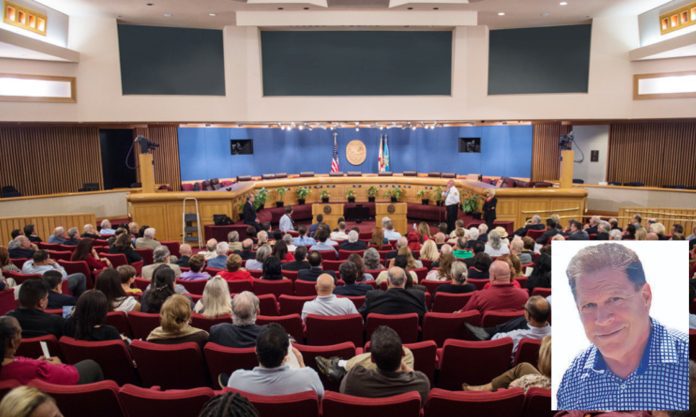
Most taxpayers have never heard the term KPI. They should. KPI stands for Key Performance Indicator — a simple scorecard that shows whether government is doing what it says it will do. Businesses use KPIs. Hospitals use KPIs. Schools use KPIs. Sports teams use KPIs. So why doesn’t Miami-Dade County?
Read more Business Beyond the Beach Talk Show: Mehdi Khachani, Founder | Sunny Bliss
Miami-Dade is a $12.9 billion government serving 2.8 million residents. Every year, commissioners spend months debating the budget — last September, they spent nearly ten hours in a meeting that stretched past midnight. Then the budget passes, the money gets spent, and taxpayers are left to trust that it all worked out. That’s not good enough anymore.
We know how much the government spends. What we don’t know is whether we’re getting results. Amazon tracks the package. DoorDash tracks the meal. Uber tracks the ride. If private companies can show everything in real time, Miami-Dade should be able to show taxpayers where billions in spending goes. That’s where KPIs come in.
A KPI is not complicated — it’s just a measurement of performance. Miami-Dade should be using it for everything taxpayers care about: how fast potholes are repaired, how long permits take, how quickly 311 complaints are closed, how fast Fire Rescue responds, and whether major projects are on time and on budget. These aren’t political questions. They’re performance questions.
A business owner near Sunset Drive told me something simple. The county repaved part of his street but skipped the section in front of his property. He wanted answers — what was budgeted, what was spent, was the work completed as planned. He found payments. He found reports. He found bureaucracy. But not a scorecard.
Read more SHRED-A-THON AND PRESCRIPTION DRUG DROP-OFF EVENT SCHEDULED FOR SATURDAY, JUNE 13, 2026
Miami-Dade already tracks much of this internally. The problem is taxpayers don’t get to see the score. There should be one public dashboard — one place, one screen. Click your neighborhood, see the numbers: how much was budgeted, how much was spent, what got done, what is delayed, whether services are improving or declining.
That dashboard should track the KPIs that matter most: road repairs, police and Fire Rescue response times, permit approvals, transit performance, 311 requests, park maintenance, infrastructure projects, and spending by neighborhood. And it should answer three simple questions — How much did government spend? What did taxpayers get? Are services getting better or worse?
Miami-Dade already has the data, the technology, and the staff. What’s missing is the decision to show taxpayers the score. Show us the goals. Show us the spending. Show us the results. It’s our money.
Grant Miller is the Publisher of Miami’s Community Newspapers, serving South Florida.
Read more June on South Florida PBS: American History, Summer Events, VR Experiences, and More!